Addressing cell line development barriers with advanced analytics
In this SelectScience interview, explore key challenges, analytical solutions and future directions in cell line development
4 Dec 2025
Gain expert insight on key challenges and analytical solutions advancing cell line development.
Dr. Hirsh Nanda, Director of Analytical Sciences, cell engineering and analytical sciences group, at Johnson & Johnson Innovative Medicine, has a wealth of expertise in the application of analytical technologies to enhance cell line development. Here, he shares insights into key challenges and critical considerations scientists should keep in mind when choosing new technology for your workflow.
What are the biggest challenges facing the application of analytics to cell line development?
Two challenges come to mind. The first one is that protein therapeutics are complex molecules – when they're produced through the biological machinery of the cell, there are many opportunities for modifications to be made to these molecules. We have to carefully characterize the products expressed by the cell lines, and need to use techniques that are able to look at small changes to this complex molecule architecture. This is especially true for novel protein modalities. As we develop new protein modalities like bi- and multi-specifics, where we're expressing multiple different chains within one cell line, we need to make sure that they're recombining together in the proper form to make the active therapeutic. This adds to our challenges in terms of characterizing what's coming out of these cell lines and making sure we don't have impurities that might be detrimental to the final product quality.
The second challenge is that the cell line development process itself is one that we have streamlined to rapidly advance therapeutic candidates towards proof of concept. We really want to screen our cell lines quickly and get to that manufacturing cell line so we can start the development process towards our first GMP batch. This means providing real-time analysis at the pace of cell culture, especially as when we're screening these cell lines there's a limited time that we can keep them in any particular state. If we want to cut down from thousands or hundreds of clones to just a few clones, we have to provide that analysis quickly and in a high-throughput manner. So, it's both speed and breadth of throughput that we need to achieve, that's also another part of that challenge.
What are the most important factors you consider when selecting analytical technology for your lab?
We need technology that’s robust and reliable because there's a lot of screening and a lot of time-sensitive data analysis. In the cell line development process, we're often working with limited amounts of material, and so the ability to work with limited material and lower concentrations is important. Related to that is the ability to get the highest quality data and the most amount of information-rich data from these samples. That's why we consider combining techniques to be a valuable solution. Mass spec is obviously very important in how we characterize protein therapeutics. It's capable of showing you modifications to your protein to a high degree of sensitivity and detail, or showing the proper chain assemblies in a higher order structure.
We need technology that’s robust and reliable because there's a lot of screening and a lot of time-sensitive data analysis.
Dr. Hirsh Nanda Director of Analytical Sciences, cell engineering and analytical sciences group, Johnson & Johnson Innovative Medicine
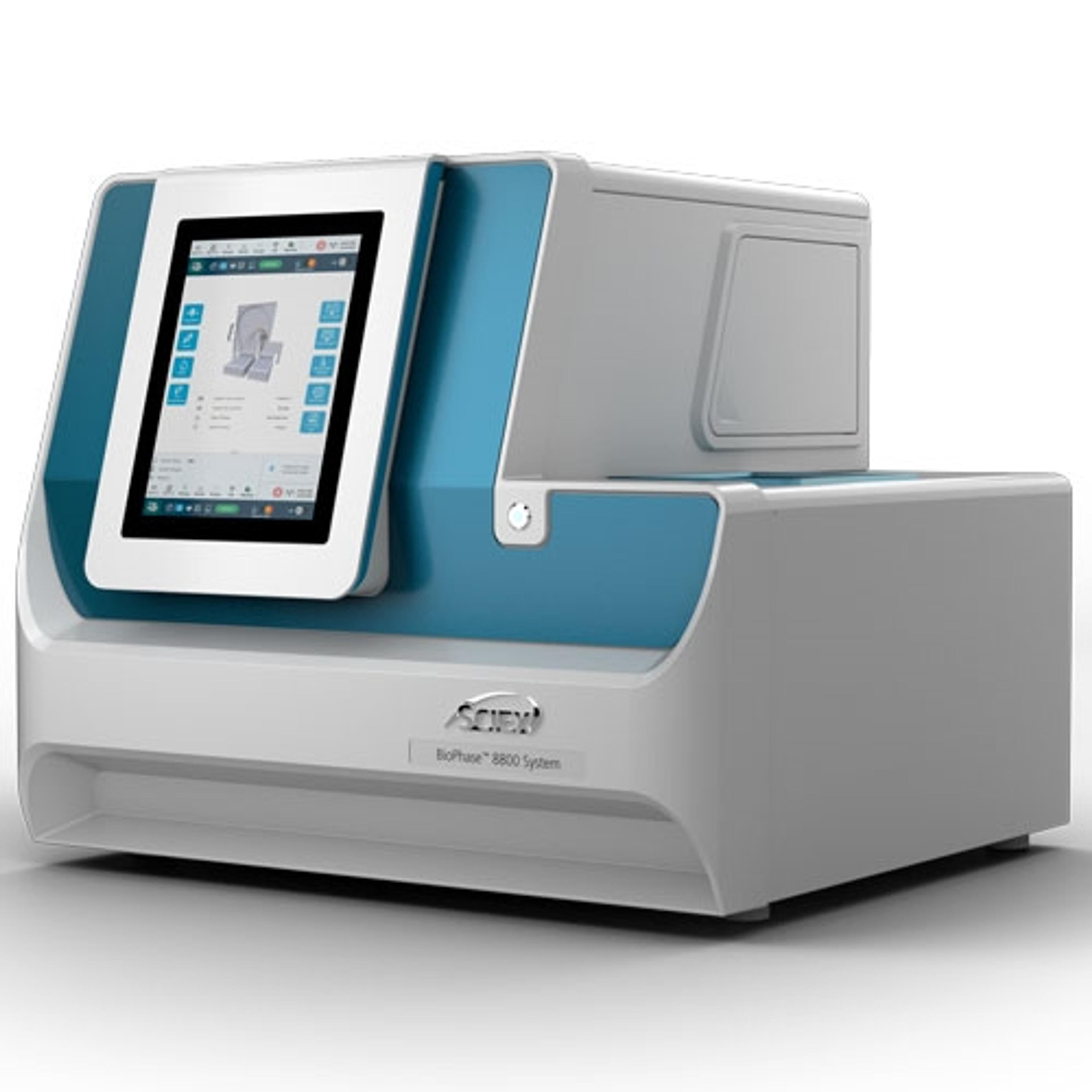
Some of the hybrid techniques like icIEF-UV/MS on the Intabio ZT System, where we can separate out species based on charge and then characterize those charged species, are starting to provide the most information-rich amount of data from our sample material. We're finding that these types of techniques have been really powerful in our cell line development process.
Similarly, for things like missed combination of chains, we found that combining size exclusion chromatography (SEC)-MS, especially in a native MS process, is also really valuable. If you have improper chain combinations or if you have a cell line that's likely to form aggregates you might separate those out by size, then you can characterize those species and perhaps even go back and re-transfect your cells in a way to maximize the amount of desired product.
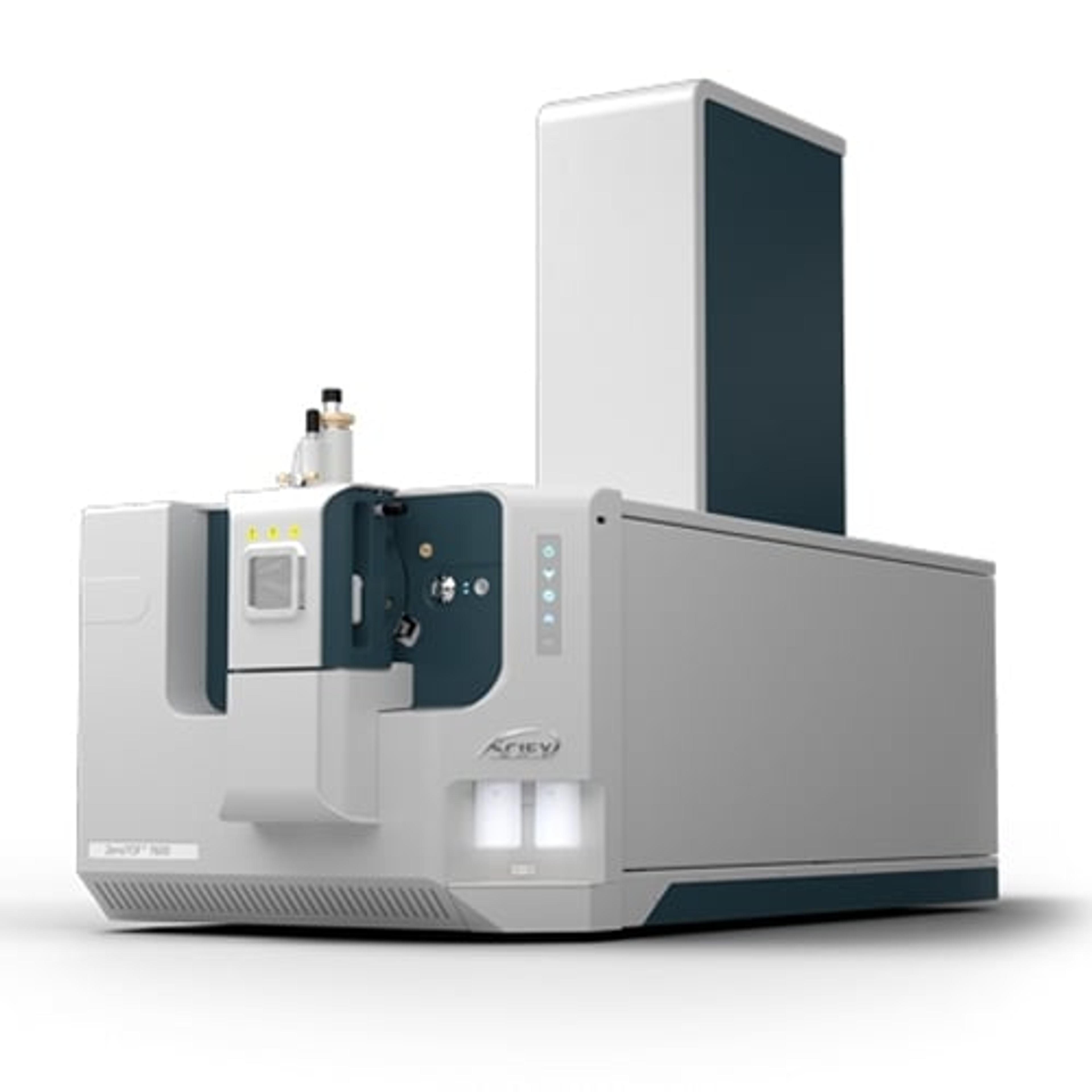
Finally, when we performed a more detailed characterization through a peptide map using a bottom-up approach to look for things like sequence variance or other post-translational modifications, we found that a combination of fragmentation techniques, electron activated dissociation (EAD) plus collision-induced dissociation (CID) fragmentation, gave us more accurate information about where the modifications were. This allowed us to thoroughly sample the full sequence of the molecule and even analyze structure, like disulfide linkage, which again, comes into play for multi-specific modalities where we may have nonnatural types of engineered disulfide linkages.
Which techniques and tools do you believe will be most useful to help scientist build a future-proof setup?
One thing that I always try to stress when designing and developing instrumentation, is to think about how that instrumentation could be integrated into automation systems. That means both the physical automation, how samples can be provided to the instrument or taken from the instrumentation, but also software integration, are there programable interfaces enabling communication and scheduling in our automated system. Our group has invested in automation for a number of different reasons.
One thing that I always try to stress when designing and developing instrumentation, is to think about how that instrumentation could be integrated into automation systems.
Dr. Hirsh Nanda Director of Analytical Sciences, cell engineering and analytical sciences group, Johnson & Johnson Innovative Medicine
Increasing throughput and turnaround time and being able to eliminate those white spaces in your process by automating as many steps of the sample prep, the data acquisition, and even the data processing, is an important solution here. On top of that, with automation you also hope to gain more reliability if your sample prep and acquisition is executed the same way every time. There are a lot of interesting custom-built and vendor-related solutions out there, but I do find that there's always going to be a hybrid of the two, at least currently, to get to where we need to be. Another aspect is integrating analytical automation with the cell culture side of things. For example we use reduced scale bioreactors to screen many clonal cell lines, can we automate those sample handoffs to allow for more frequent sampling? Or again, eliminate the need for human intervention to analyze data.
In terms of linking separation modes with mass spec, I think much more can be done. For electrophoretic separations, being able to directly interrogate what those peaks are that we identify in electropherograms with mass spec would be really valuable.
Another area that is really critical, especially in early cell line development, is the need for more techniques around cell culture analytics. So, not just the protein product that's being expressed, but also finding the cell line that's going to potentially grow the best in scaled-up bioreactors. The more we can understand about the cell culture behavior and the cell line itself is important.
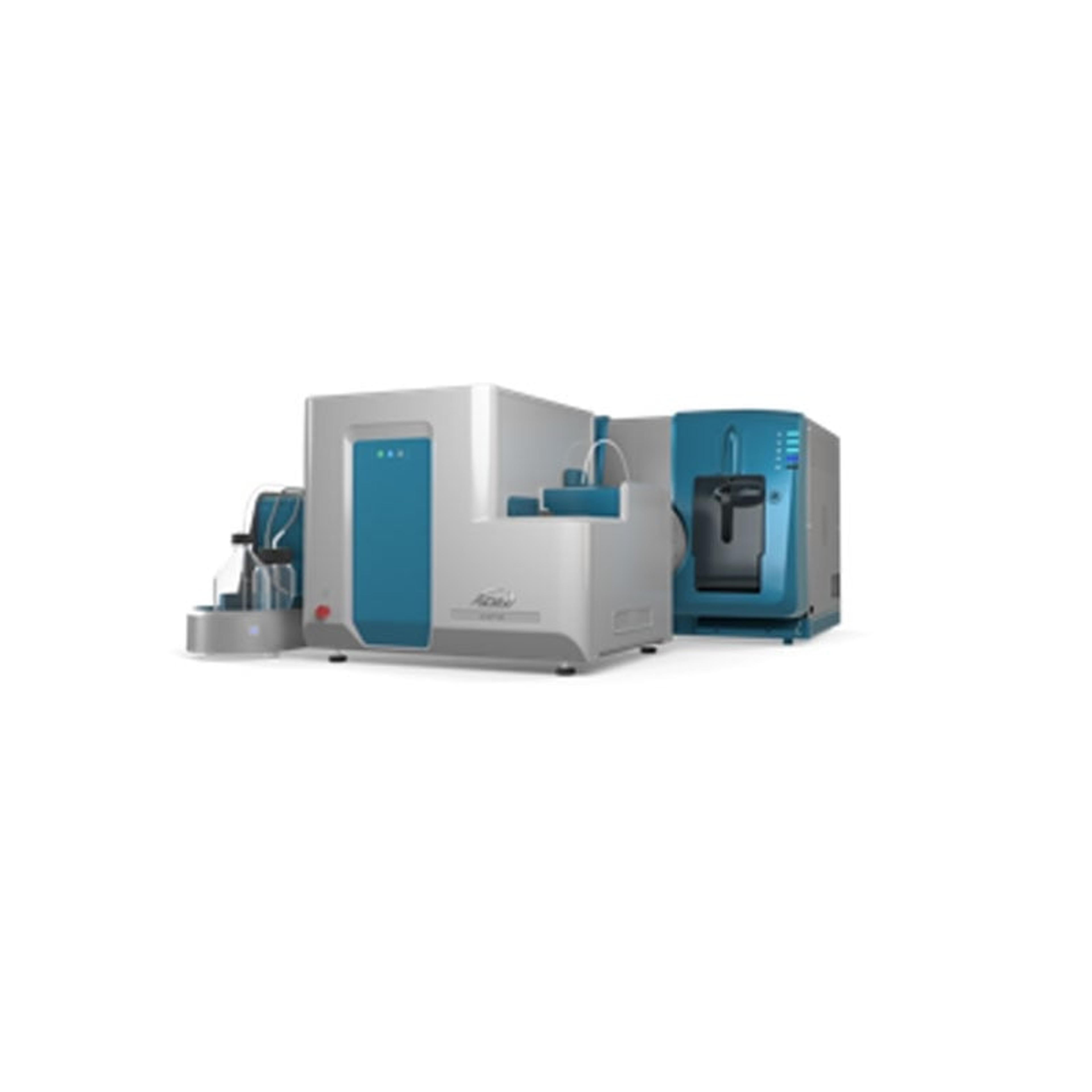
We've researched techniques that would allow us to look at the spent media metabolites. Again, we're trying to screen many cell lines, so throughput is key here. One technique that's proven to be really powerful is the Echo® MS+ system. Combining acoustic droplet sampling with mass spec allows us to screen an array of bioreactors with daily sampling for a large panel of metabolites, including essential amino acids and other metabolites, which gives us a lot of insight when we're selecting our cell lines. Similarly, we're also looking at ways of getting proteomic analysis as well that we can tie directly to critical pathways for productive and robust cell cultures.
A final developing area is AI. In terms of robustness, we spend a lot of time around the QC of our instruments – making sure that it’s calibrated and in tip-top shape to acquire data from our precious samples. That's a place where I could see an application of AI to provide feedback based on system suitability and other parameters coming from instrumentation, to QC check for you, so we know that the samples are going to give us high-quality data. That’s definitely an area that I would love to see vendors think more about and see more development in the coming years.
Discover more advice to help you choose the best technology for your lab in the 2025 SelectScience How to Buy Analytical Technology for Cell Line Development eBook.
If you have any questions for Dr. Hirsh Nanda, please email editor@selectscience.net.